


First impressions don’t just happen—they’re created. When you arrive with style, you instantly set the tone for how people see and remember you. Whether you’re stepping into a meeting, attending an event, or simply entering a room, your presence speaks before you do.
Think of it like walking onto a stage. The spotlight hits, and for a brief moment, all eyes are on you. That moment can either fade away quietly or leave a powerful mark. The difference lies in how you carry yourself, how you present your energy, and how intentionally you show up.
In today’s fast-paced world, knowing how to arrive with style is more than just looking good. It’s about confidence, preparation, and authenticity. This guide will walk you through everything you need to master the art of making a memorable entrance—every single time.
What Does It Mean to Arrive With Style?
To arrive with style means showing up with intention, confidence, and a sense of presence that naturally draws attention. It’s not about being loud or flashy. Instead, it’s about being memorable in a subtle yet powerful way.
When you enter a room with style, people notice your posture, your energy, and your confidence. You don’t need to demand attention—it comes to you. This kind of presence reflects self-awareness and preparation, which naturally builds respect.
Style isn’t just about clothing. It includes your attitude, your body language, and even your timing. When all these elements align, you create an entrance that feels effortless yet impactful.
Why First Impressions Matter More Than You Think
In a well-known 2006 Princeton study, people formed judgments about a face after seeing it for just a tenth of a second — and those snap judgments closely matched judgments made with no time limit. That study looked at photographs, not full entrances, but the lesson holds: your impression starts forming the moment you walk in. Choosing to make a stylish entrance gives you control over that perception.
A strong first impression can open doors, build trust, and create opportunities. Whether it’s a job interview, social gathering, or business meeting, your entrance sets the foundation for everything that follows.
On the flip side, a weak or awkward entrance can make it harder to connect. That’s why mastering this skill isn’t optional—it’s essential in both personal and professional life.
Dress the Part: Style Starts With Appearance
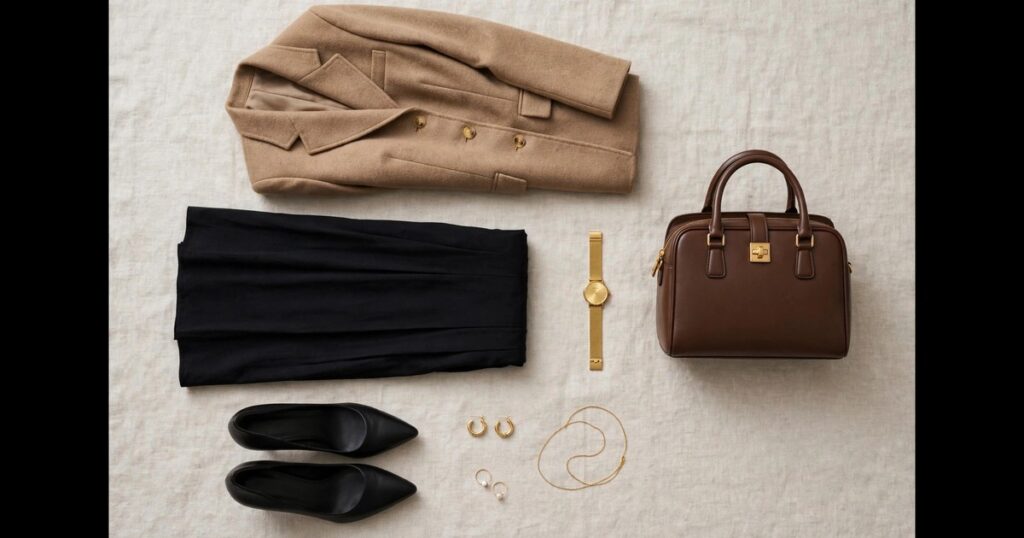
Your outfit is the first visual cue people notice. Dressing appropriately—and stylishly—helps you make a stylish entrance without saying a word. The key is to match your clothing to the occasion while adding a touch of personal flair.
Choose clean, well-fitted outfits that reflect confidence. You don’t need expensive brands—just thoughtful styling. Neutral tones with a bold accessory can often create the perfect balance.
Remember, when you feel good in what you’re wearing, it naturally boosts your confidence. And confidence is the real foundation of style.
Confidence Is Your Best Accessory
No matter how well you dress, confidence is what truly defines your entrance. To walk in with real confidence, you must believe in yourself before anyone else does.
Confidence shows in your posture, your walk, and your facial expressions. Stand tall, keep your shoulders relaxed, and maintain a calm, steady pace. Avoid rushing—it creates nervous energy.
Even if you feel unsure inside, act as if you belong. Over time, this mindset becomes natural, and your confidence will feel effortless rather than forced.
Master Your Body Language
Body language speaks louder than words. When you walk into a room, your movements should appear calm, controlled, and intentional.
Make eye contact as you enter the room. Offer a slight smile—it instantly makes you approachable. Avoid crossing your arms or looking down, as these signals can appear closed-off or insecure.
Instead, keep your gestures open and relaxed. Small adjustments in body language can completely transform how people perceive you.
Timing Your Entrance Perfectly
Timing plays a crucial role in making a stylish entrance. Arriving too early or too late can disrupt the impression you’re trying to create.
To truly time your entrance well, aim to walk in just a few minutes after things begin. This ensures there’s enough attention without being overwhelming.
In professional settings, punctuality shows respect. In social events, timing can help you enter when energy levels are just right, making your presence more noticeable.
The 10-Second Entrance Checklist: Your Pre-Door Routine
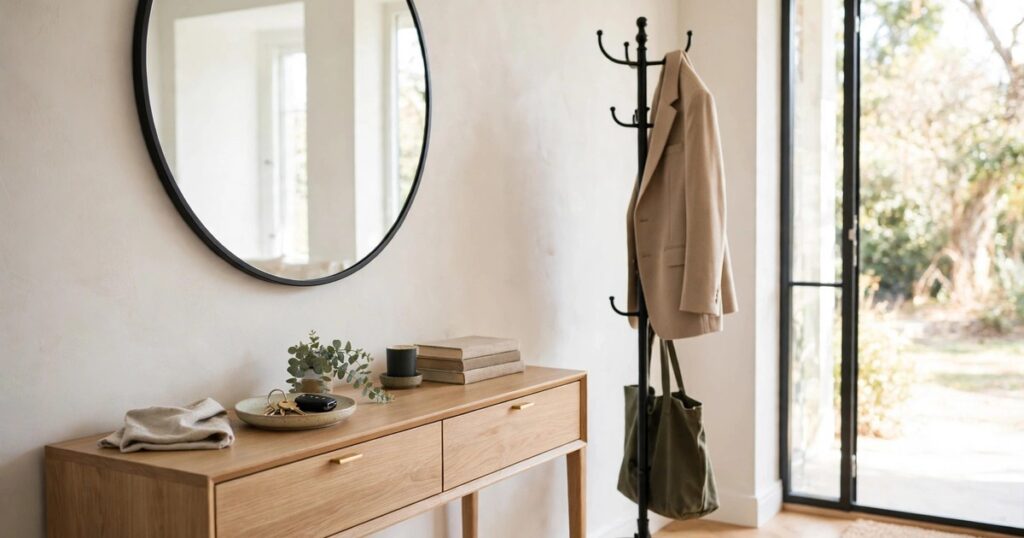
The best way to arrive with style is not to wing it — it is to run a tiny routine before you touch the door handle. Think of it as a pilot’s pre-flight check, only it takes ten seconds and nobody sees you do it. Park your car or step off the elevator, then stop for one breath. Phone away, bag settled on one shoulder, jacket straightened. That single pause is what separates a rushed entrance from a composed one.
Now run the check from head to toe. Shoulders down and back, chin level, a small smile already on your face before you walk in. Pick the first person you will greet — the host, a colleague, anyone near the door — so your eyes have somewhere warm to land instead of scanning the room nervously. Then walk in at a normal pace, not a hurry and not a strut. The whole routine feels strange the first few times you try it, and then it disappears into habit. That is the point: when you arrive with style, it should look like you did nothing at all, because the work happened ten seconds earlier, outside the room.
Here is the checklist in short: phone away, one deep breath, shoulders relaxed, smile ready, first greeting picked. Tape it to your mirror for a week if you have to. Once it is automatic, every room you walk into starts the same way — calm, prepared, and unmistakably yours. And that is the quiet secret of learning to arrive with style: the entrance starts before the entrance.
The Power of a Signature Walk

Your walk says a lot about you. A confident, steady walk can instantly help you command attention without effort.
Avoid rushing or dragging your feet. Walk with purpose, keep your head level, and let your arms move naturally. Think of it as a rhythm—smooth and controlled.
Practice in front of a mirror if needed. Once you develop your signature walk, it becomes a natural part of your presence.
Create a Memorable Presence
To truly own a room, you need more than just appearance—you need presence. This is the energy you bring into a space.
Presence comes from being fully aware and engaged. Put away distractions, stay in the moment, and observe your surroundings.
People remember how you make them feel. When your presence feels calm, confident, and genuine, it leaves a lasting impression.
Use Eye Contact Effectively
Eye contact builds instant connection. When you enter a room and briefly acknowledge others with your gaze, you create a subtle yet powerful impact.
When you walk in, avoid staring or looking away too quickly. Instead, hold eye contact for a moment and pair it with a slight smile.
This simple gesture shows confidence and openness, making people more likely to engage with you.
Carry a Positive Energy
Energy is contagious. If you walk in with stress or negativity, people will feel it. But when you walk in, your energy should feel uplifting and calm.
Take a deep breath before entering any space. Reset your mindset and focus on being present.
A positive attitude not only enhances your entrance but also influences how others respond to you.
Grooming Matters More Than You Think

Small details can make a big difference. Clean hair, fresh breath, and neat grooming all contribute to a polished entrance.
You don’t need to overdo it—just maintain a polished look. Subtle fragrances, well-kept nails, and tidy clothing go a long way.
These details show that you care about your appearance and respect the environment you’re stepping into.
Speak With Purpose When You Arrive
Your first words matter just as much as your entrance. When you arrive, speak clearly and confidently.
Avoid mumbling or rushing your words. A simple greeting delivered with clarity and warmth can set the tone for meaningful interaction.
Remember, it’s not about saying a lot—it’s about saying it well.
Adapt to Different Situations
Different environments require different styles. The way you make an entrance at a formal event will differ from a casual gathering.
In professional settings, keep things polished and composed. In social environments, you can be more relaxed and expressive.
The key is adaptability. Understanding the context allows you to adjust your approach while maintaining your unique style.
Avoid Common Mistakes
Many people unknowingly sabotage their entrance. To truly make a strong entrance, avoid these common mistakes:
- Rushing into a room
- Looking at your phone immediately
- Avoiding eye contact
- Overcompensating with loud behavior
Instead, focus on calm, confident movements and intentional actions. Simplicity often creates the strongest impact.
Entrance Outfits for Every Occasion: 4 Formulas That Always Work
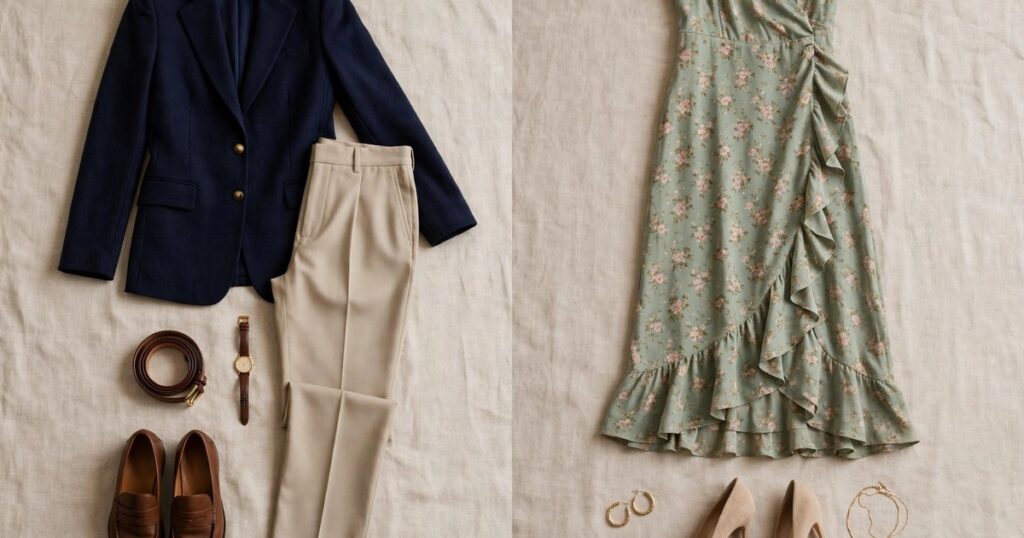
Outfits are where most entrances are won or lost, so here are four formulas you can copy without thinking. The rule behind all of them is the same: one polished piece, everything else simple. A polished outfit does not need to be expensive — it needs to fit well and look intentional.
Work meeting: tailored trousers, a clean blouse or shirt, one structured layer like a blazer, and closed-toe shoes you can actually walk in. Keep colours neutral and let one thing — a watch, a scarf, a great bag — do the talking. Our polished outfit guide has more work-ready combinations if you want to build on this.
Dinner or party: a midi dress or sharp jumpsuit in one rich colour, simple heels, and one statement piece. This is where statement styling earns its keep: a bold earring or a metallic clutch lifts a simple dress without any extra effort.
Casual brunch or daytime event: dark straight-leg jeans, a tucked-in knit top, loafers, and a light jacket. The casually elegant trick is keeping it soft — nothing stiff, nothing sloppy, just clothes that look like you chose them on purpose.
Date night: a fitted top, a skirt or trousers with a clean line, and shoes that make you stand taller without slowing you down. Skip anything you have to keep adjusting; fidgeting ruins an entrance faster than a wrong colour ever could.
Whichever formula you pick, do the daylight mirror check before you leave: step back, look at the whole outfit, and take one thing off if your eyes bounce around. The goal of dressing to arrive with style is never to wear the most impressive clothes in the room. It is to wear the clothes that let people notice you, not your outfit. When you arrive with style, your clothes support the entrance — they never steal it. And if you are building a wardrobe on a budget, remember that fit beats price every time: a well-fitting outfit you already own will help you arrive with style far better than an expensive one that pulls, gaps, or pinches.
How to Make a Stylish Entrance at Work
Walking into a workplace or business event requires a refined approach. To make a strong entrance at work, focus on a calm, composed demeanor that reflects confidence and competence. Your entrance should feel natural, not forced, allowing others to immediately sense your professionalism.
Preparation plays a key role here. Know the environment, dress appropriately, and carry yourself with purpose. A firm handshake, steady eye contact, and a polite greeting can elevate your presence. When you align confidence with professionalism, you naturally stand out in any formal setting.
How to Make a Stylish Entrance at Social Events
Social gatherings give you more freedom to express your personality. To make a warm entrance at parties or casual events, bring a relaxed yet confident vibe that feels approachable and genuine. Your energy should invite conversation, not intimidate others.
Start with a warm smile and open body language. Move through the space with ease, greet people naturally, and avoid appearing distracted. When you combine comfort with confidence, your presence becomes magnetic. This balance helps you leave a memorable impression without trying too hard.
Practice Makes Perfect
Like any skill, making a great entrance takes practice. Start with small situations—entering a room at home or greeting friends.
Pay attention to your posture, your walk, and your energy. Over time, these habits become second nature.
The more you practice, the more natural and effortless your stylish entrance will feel.
When Your Entrance Falls Flat: How to Recover in 30 Seconds
Sooner or later, an entrance will go wrong. You will trip, walk into the wrong room, arrive late, or realise halfway across the floor that your shirt is inside out. It happens to everyone, and the recovery matters far more than the stumble. The worst thing you can do is freeze, over-apologise, or rush even harder — all three make a small moment look like a big one.
Instead, use the thirty-second reset. First, stop and smile. A smile tells the room you are fine, and the room will believe you. Second, fix what you can in one move — straighten the shirt, pick up what you dropped — and leave the rest. Third, say one light line if it fits the moment (‘Well, that was an entrance’) and then move on to greeting someone. Do not explain, do not retell the story three times, and do not apologise to every person you meet. People remember how you recovered, not what went wrong.
The deeper truth is that a graceful recovery can actually help you arrive with style more than a perfect entrance does. A flawless walk-in is forgettable; a stumble handled with humour and calm is the story people retell fondly later. So rehearse the recovery, not just the entrance: next time something small goes wrong at home, practise smiling through it instead of groaning. That reflex is what turns an embarrassing moment into proof that you can arrive with style even on a bad day.
Conclusion
To make a memorable entrance is to understand the power of presence, confidence, and intention. It’s not about being perfect—it’s about being aware and authentic in how you show up.
Every entrance is an opportunity. Whether big or small, each moment allows you to create a lasting impression. When you combine the right mindset with the right actions, your presence becomes unforgettable.
So next time you step into a room, don’t just enter—arrive with style.
FAQs About Making a Stylish Entrance
What does it mean to arrive with style?
It means walking into any space with confidence, positive energy and a polished presence, so people form a strong first impression before you even speak. It is not about being loud or expensive — it is about looking intentional, from your posture to your greeting.
Can anyone learn to arrive with style?
Yes. It is a skill, not a talent you are born with. Start small: practise your walk and greeting at home, then try them in low-pressure places like a coffee shop before a big event.
Is dressing well necessary to arrive with style?
Dressing well helps a lot, but it is only one piece. Confidence, body language and timing matter just as much — a great outfit with nervous energy still reads as nervous.
How can I improve my entrance in social situations?
Walk in calmly, make eye contact, and offer a relaxed smile to the first person you meet. Put your phone away, greet the host, and give yourself a moment to settle before joining a group.
Why is arriving with style important?
Because first impressions shape trust and opportunity. A strong entrance makes people more open to you in job interviews, meetings and social settings — and it boosts your own confidence too.
How can I recover if my entrance falls flat?
Pause, smile, and fix one thing — then greet someone and move on. Do not over-apologise or retell the story all evening; people remember a calm recovery far longer than the stumble itself. Handling a bad moment with humour is one of the fastest ways to arrive with style, because it shows confidence under pressure. In fact, a graceful recovery proves you can arrive with style even when nothing goes to plan.

1 thought on “Arrive With Style: 15 Powerful Ways to Make an Unforgettable Entrance”