

When it comes to fashion and figure sizing, finding clothes that truly fit your body can feel like searching for a needle in a haystack. You walk into a store, grab your usual size, and suddenly… nothing fits the same. Frustrating, right? You’re not alone.
The truth is, sizing isn’t universal. Every brand interprets sizes differently, and your body deserves more than guesswork. That’s why understanding fashion to figure out sizing is a game-changer. It helps you shop smarter, feel confident, and build a wardrobe that actually works for you.
In this guide, you’ll discover how sizing works, how to measure yourself correctly, and how to choose outfits that flatter your shape—especially for a U.S. audience where sizing standards vary widely.
What Is Fashion to Figure Sizing?
Fashion-to-figure sizing refers to clothing sizes designed to fit real body shapes rather than unrealistic industry standards. It focuses on proportion, comfort, and inclusivity rather than just numbers on a tag.
Many U.S. brands now embrace fashionable to-figure sizing to cater to diverse body types. Instead of forcing your body into a size, these brands design clothes that adapt to you. That shift has made shopping more inclusive and empowering.
Why Sizing Varies So Much in the USA

If you’ve ever been a size 10 in one store and a size 14 in another, you’ve experienced “vanity sizing.” It’s common in the U.S. fashion industry.
Brands adjust sizes to appeal to customers psychologically. So, a “medium” in one brand may fit like a “large” elsewhere. This is why relying only on size labels doesn’t work. Understanding fashion to figure out sizing helps you look beyond the label and focus on actual fit.
How to Measure Yourself Correctly
Before you shop, you need accurate measurements. Think of it as your personal sizing blueprint.
Key Measurements You Need
- Bust: Measure around the fullest part
- Waist: Measure at your natural waistline
- Hips: Measure at the widest part
Use a soft measuring tape and stand naturally. Don’t suck in your stomach or pull the tape too tight. Your goal is accuracy, not perfection.
Pro Tip
Always compare your measurements with the brand’s size chart. This is essential for mastering fashion to figure out sizing.
Understanding U.S. Size Charts
U.S. sizing usually ranges from 0 to 24+ for women, but the actual measurements behind these numbers differ by brand.
General Size Guide (Approximate)
| Size | Bust (inches) | Waist (inches) | Hips (inches) |
|---|---|---|---|
| 6 | 34–35 | 26–27 | 36–37 |
| 10 | 36–37 | 28–29 | 38–39 |
| 14 | 39–40 | 31–32 | 42–43 |
| 18 | 43–45 | 35–37 | 46–48 |
| 22 | 47–49 | 39–41 | 50–52 |
These numbers are just guidelines. Always double-check with each brand for accurate fashion to figure out sizing.
Different Body Shapes and How to Dress Them
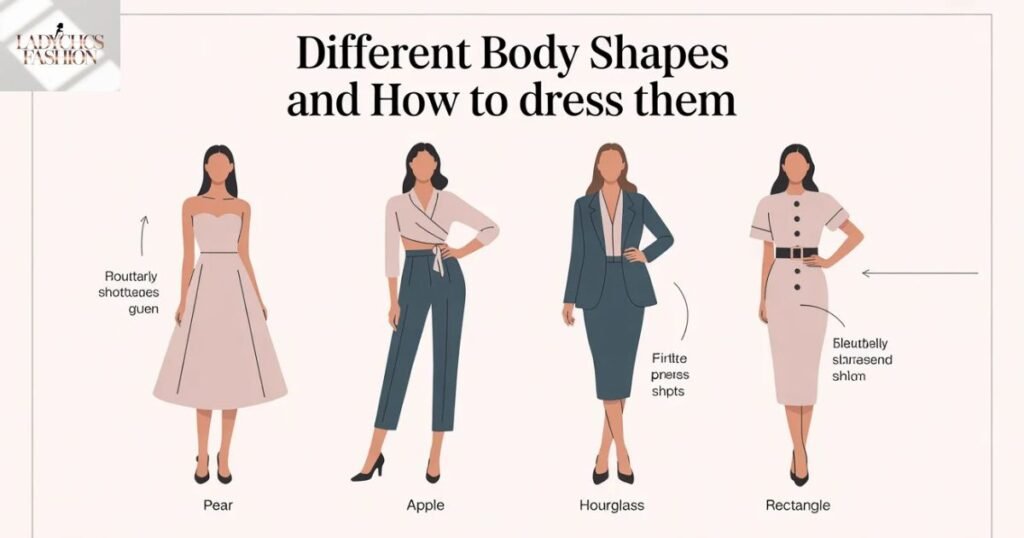
Understanding your body shape is just as important as knowing your size.
1. Hourglass Shape
Balanced bust and hips with a defined waist.
Best fits: Wrap dresses, fitted tops, high-waist jeans.
2. Pear Shape
Wider hips and smaller upper body.
Best fits: A-line skirts, off-shoulder tops, structured jackets.
3. Apple Shape
Fuller midsection with slimmer legs.
Best fits: Empire waist dresses, flowy tops, straight-leg pants.
4. Rectangle Shape
Similar measurements across bust, waist, and hips.
Best fits: Belted dresses, peplum tops, layered outfits.
Using fashion to figure sizing, you can choose styles that enhance your natural shape rather than hide it.
Common Sizing Mistakes to Avoid
Even experienced shoppers make mistakes. Let’s fix that.
Ignoring Size Charts
Every brand is different. Skipping the size chart leads to wrong fits.
Buying Based on Old Size
Your body changes over time. Always re-measure.
Choosing Tight Over Comfortable
Tight clothes don’t make you look slimmer—they just make you uncomfortable.
Not Considering Fabric
Stretch fabrics fit differently than rigid ones. Always check material details when applying fashion to figure sizing.
How Online Shopping Affects Sizing
Online shopping is convenient, but sizing becomes tricky.
Tips for Better Online Shopping
- Read customer reviews about fit
- Check return policies
- Look for model size references
- Compare measurements carefully
Many U.S. shoppers rely heavily on reviews to understand real-life fashion to figure out sizing.
Plus-Size Fashion and Inclusivity
The fashion industry has evolved. Brands now offer extended sizes and better designs for plus-size bodies.
What’s Changed?
- More size-inclusive collections
- Better tailoring for curves
- Trend-focused designs, not just basics
Fashion-to-figure sizing has played a major role in making fashion more inclusive and body-positive.
How to Convert Between US and International Sizes
If you shop globally, understanding conversions is essential. A U.S. size doesn’t always match sizes in the UK, EU, or Asia, which can lead to confusion and wasted money. That’s where mastering fashion to figure out sizing becomes incredibly useful for accurate comparisons.
For example, a U.S. size 10 may translate to a UK 14 or EU 42, but even these conversions vary slightly by brand. Always cross-check measurements instead of relying only on conversion charts. This small habit can save you from constant returns and frustration.
Best Fabrics for a Flattering Fit
Fabric choice can make or break your outfit. Some materials hug your curves beautifully, while others may feel stiff or restrictive. When applying fashion to figure sizing, fabric plays a huge role in how the garment sits on your body.
Stretch blends like spandex or elastane offer flexibility and comfort, making them ideal for fitted styles. On the other hand, structured fabrics like denim or linen require more precise sizing. Choosing the right fabric ensures your outfit looks polished without sacrificing comfort.
How to Build a Capsule Wardrobe with Perfect Sizing
A capsule wardrobe is all about owning fewer pieces that fit perfectly and mix effortlessly. Instead of chasing trends, focus on essentials that align with your fashion to figure out sizing for consistent comfort and style.
Start with basics like a well-fitted blazer, high-quality jeans, and versatile dresses. When every piece fits you well, styling becomes effortless. You spend less time worrying about outfits and more time feeling confident in what you wear.
Petite and Tall Sizing Explained
Standard sizes don’t work for everyone, especially if you’re petite or tall.
Petite Sizing
Designed for women 5’4” and under
Shorter inseams, adjusted proportions
Tall Sizing
Designed for women 5’8” and above
Longer sleeves, longer hems
Knowing these options helps you master fashion to figure out sizing without tailoring everything.
How Fabric Impacts Fit
Fabric can completely change how clothing fits your body.
Stretch Fabrics
- More forgiving
- Better for body-hugging styles
Non-Stretch Fabrics
- Require precise sizing
- Less flexibility
Always consider fabric when applying fashion to figure sizing. A size 10 in denim won’t fit the same as a size 10 in cotton.
Tips to Always Get the Perfect Fit
Let’s simplify everything into actionable steps.
1. Know Your Measurements
This is your foundation.
2. Read Size Guides Carefully
Don’t skip this step.
3. Try Multiple Sizes
Especially when trying a new brand.
4. Focus on Fit, Not Numbers
The tag doesn’t define you.
5. Use Tailoring When Needed
A small alteration can make a huge difference.
Following these steps ensures your fashion-to-figure sizing experience is smooth and stress-free.
The Role of Tailoring in Achieving the Perfect Fit
Even the best sizing systems can’t guarantee a flawless fit for every body. That’s where tailoring steps in. Small adjustments can transform an average outfit into something that looks custom-made for you.
Whether it’s hemming pants or adjusting the waistline, tailoring enhances your fashion-to-figure-sizing experience. Think of it as the final polish that elevates your entire look. Investing in minor alterations can make affordable clothes look high-end.
Seasonal Fashion and Sizing Adjustments
Your size and fit preferences may change with the seasons. In colder months, you layer more, which means you might need slightly looser fits. During summer, lightweight and breathable fabrics become essential.
Understanding seasonal needs helps you adapt your fashion to figure sizing strategy. For example, you may size up for coats but stick to your exact measurements for summer dresses. Dressing according to the season ensures both comfort and style year-round.
The Future of Fashion and Figure Sizing
Technology is changing how we shop.
What to Expect
- AI-powered size recommendations
- Virtual fitting rooms
- Custom-fit clothing
These innovations will make fashion figure sizing even more accurate and personalized.
Conclusion
At the end of the day, fashion to figure sizing is about one simple idea—clothes should fit you, not the other way around.
Once you understand your measurements, body shape, and how different brands size their clothing, shopping becomes easier and even enjoyable. You stop guessing and start choosing confidently.
Remember, the perfect fit isn’t about being a certain size. It’s about feeling comfortable, confident, and completely yourself in what you wear.
FAQs
What is fashion to figure sizing?
It’s a sizing approach that focuses on real body shapes and proportions rather than standard size labels.
Why do sizes vary between brands?
Because of vanity sizing and different measurement standards used by brands.
How can I find my correct size?
Measure your bust, waist, and hips, then compare with the brand’s size chart.
Is plus-size fashion improving in the USA?
Yes, many brands now offer inclusive sizing with stylish and well-fitted designs.
What should I prioritize—fit or size number?
Always prioritize fit. The number on the tag doesn’t matter.