

Fashion mistakes can ruin even the most expensive outfit. A slipping neckline, loose straps, or visible gaps can make you feel uncomfortable in public. That’s where fashion tape becomes your silent style savior. It holds your clothes where you want them, so you can stop checking your neckline every few minutes and actually enjoy the event.
In the United States, stylists, celebrities, and everyday fashion lovers rely heavily on this small yet powerful tool. Whether you’re attending a wedding, heading to work, or wearing a bold outfit, the tape ensures everything stays perfectly in place. It’s simple, affordable, and incredibly effective.
What Is Fashion Tape and How Does It Work?

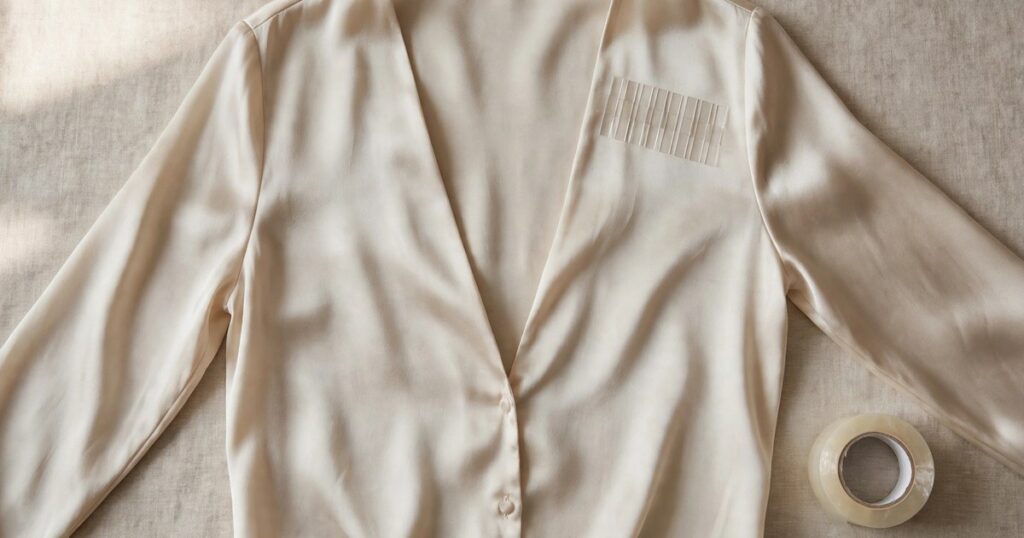
Fashion tape is a double-sided adhesive made to stick fabric to your skin or to another piece of fabric. Unlike regular household tape, most fashion tapes are made to be gentler on skin and to peel away more cleanly, but no tape suits everyone, and results depend on your skin, the fabric and how long you wear it. Most strips are transparent or nude, so they blend in under clothing. From securing a plunging neckline to fixing a loose hem, a strip works like a hidden helper for your outfit — as long as you apply it on clean, dry skin and test it first (see the patch-test section below).
Key Features at a Glance
| Feature | Description |
|---|---|
| Double-sided | Sticks fabric to skin or fabric |
| Skin-safe adhesive | Gentle and non-irritating |
| Invisible design | Clear or nude finish |
| Easy removal | Leaves no residue |
| Portable | Small and travel-friendly |
Why It Is Worth Keeping in Your Wardrobe
When it comes to styling, confidence matters. Fashion tape helps eliminate small issues that can otherwise distract you throughout the day. It pairs well with the season’s 2026 fashion trends, where necklines and off-shoulder cuts need a little extra help staying in place.
It offers both practical and aesthetic benefits. You don’t need sewing skills or expensive tailoring anymore. This tiny strip can instantly improve how your outfit fits and feels.
Why People Love It
- Prevents wardrobe malfunctions
- Keeps clothes perfectly fitted
- Saves money on alterations
- Works for all clothing types
- Boosts confidence instantly
Types to Know Before You Buy
Not all tapes are created equal. Choosing the right type of tape can make a huge difference depending on your outfit and skin sensitivity.
Some tapes are designed for heavy fabrics, while others are better suited for delicate materials like silk. Knowing the differences helps you get the best results without discomfort.
Common Types
| Type | Best For |
|---|---|
| Pre-cut strips | Quick and easy application |
| Roll tape | Custom sizes |
| Waterproof tape | Sweat-resistant wear |
| Sensitive skin tape | Hypoallergenic use |
| Extra-strong tape | Heavy fabrics |
How to Apply It Correctly: A Step-by-Step Guide
Using fashion tape properly ensures it stays effective throughout the day. A wrong application can reduce its sticking power or cause discomfort.
Start with clean, dry skin. Oils, lotions, or sweat can weaken the adhesive. Always test a small area before full use, especially if you have sensitive skin.
Steps to Apply a Strip
- Clean and dry the skin area
- Cut or take a strip of tape
- Stick one side to your skin
- Press the fabric onto the other side
- Adjust gently for a natural look
Applying It for Different Necklines and Outfit Problems
You don’t need a different trick for every outfit — you need to know where the strip goes and which side sticks first. For a plunging neckline, place one short strip on the skin beside the neckline edge, press it down, then bring the fabric over it and press again. Don’t stretch the fabric while you press, or it will spring back and pull the strip loose. For a strapless top or dress, use two short strips rather than one long one: one near each side where the top meets your skin. Short strips follow your body’s shape better, and if one loosens, the other still holds. Button gaps are the easiest fix of all. Stick a small strip behind the gap, fabric to fabric, so the shirt fronts stay closed when you sit or breathe. Yes, it works while you sit down — that’s exactly when gaps usually appear, so test it seated, not just standing in front of the mirror. For a wrap dress or top that keeps sliding open, anchor the inner layer to the outer layer with a strip at the waist, and add a second strip higher up if the neckline still moves. And for an off-shoulder top that creeps up, place strips where the sleeve meets your skin, not in the middle of the fabric, so the top stays where you put it without tugging. One habit saves more outfits than any fancy product: apply the tape last, after your moisturizer and perfume have dried. Lotions and oils are the top reason strips fail, and a strip placed on freshly moisturized skin will slide off within the hour. Clean, dry skin first, tape second, final mirror check third.
Keeping a Scarf or Hijab Edge in Place
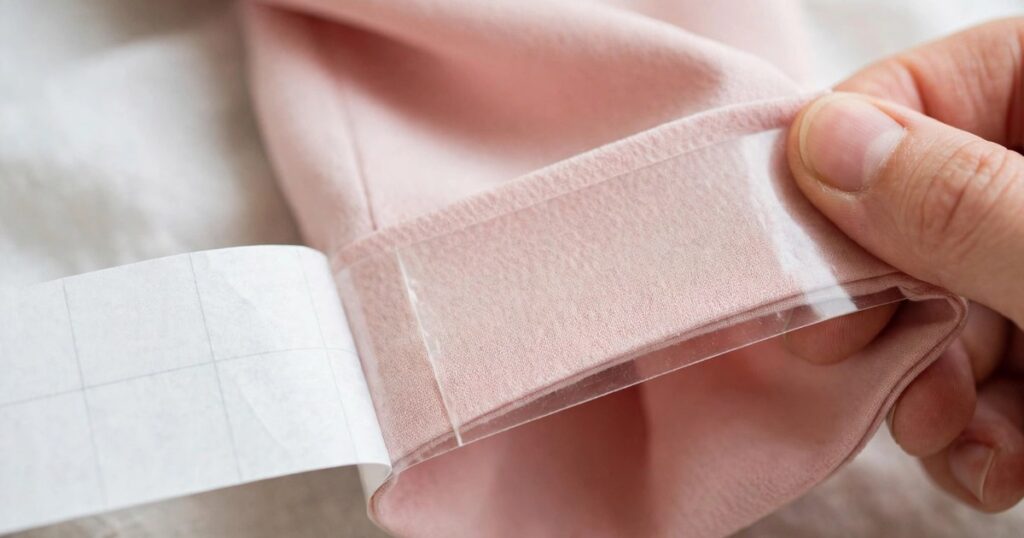
A lightweight scarf edge can be kept tidy with a small fabric-to-fabric strip where two layers of the scarf meet, for example where the edge folds back on itself. This is a fabric-to-fabric use only: keep the strip on the fabric, away from your hairline and hair, because tape in hair is painful to remove. Test it on a hidden corner of the scarf first, since fine or embellished fabrics can snag. If the scarf is heavy, silk, or precious to you, skip the tape and use a pin instead — tape is a convenience, not a fix for every fabric.
Patch Testing and Skin Safety Before the Big Day
If you have never used a particular tape before, don’t let a wedding or a photoshoot be the first trial. Try it on a small, discreet patch of skin — the inside of your forearm works well — and wear it for a few hours while you go about your day. Check the spot when you take it off. A little pinkness that fades quickly is common for some people, but itching, a rash, swelling or soreness that lingers means that tape is not for you. Try a hypoallergenic option another day, or skip tape for that outfit entirely. Your skin will tell you more honestly than any product label will. A few rules keep this simple. Don’t apply tape over cuts, spots, rashes, sunburn or skin you have just shaved or exfoliated — freshly treated skin is more reactive, and tape can make it worse. Don’t layer strips on top of each other to get a stronger hold; a double layer is harder to remove and more likely to irritate. And don’t wear the same strip all day and all night. Take it off when the event is over, wash the area gently, and give your skin a break before you use tape again. If irritation appears at any point, remove the tape right away instead of waiting to see if it settles — comfort matters more than a perfect neckline.
Surprising Uses You May Not Have Tried
Most people think the tape is only for fixing necklines, but it does much more. It’s a versatile styling tool that can solve multiple fashion problems instantly.
From fixing gaps in shirts to keeping accessories in place, it’s a must-have in every wardrobe. Once you start using it, you’ll find endless creative ways to improve your outfits.
Smart Uses
- Secure deep necklines
- Fix shirt button gaps
- Hold bra straps in place
- Keep off-shoulder tops steady
- Adjust loose hemlines
- Prevent shoe slipping
Tape vs Safety Pins vs Glue: What’s Better?
Many people still rely on safety pins or fabric glue, but the tape offers a cleaner and safer alternative.
Safety pins can damage fabric and are visible. Glue can be messy and permanent. The tape, on the other hand, provides a temporary yet strong hold without ruining your clothes.
Comparison Table
| Option | Pros | Cons |
|---|---|---|
| Tape | Invisible, easy, safe | Temporary hold |
| Safety Pins | Strong hold | Visible, damages fabric |
| Fabric Glue | Permanent fix | Messy, not reusable |
Is It Safe for Skin?
Safety is a common concern with any adhesive, and it is a fair one. Most fashion tapes are made with skin-friendly adhesives, but sensitive skin can still react, so a patch test before an important event is worth the few minutes it takes. Never apply tape to broken, irritated, sunburned or freshly shaved skin, and stop using it if you notice redness, itching or soreness. If you have a skin condition or you are unsure, check with a clinician first rather than guessing. This article gives general styling advice only; it is not medical advice, and no tape is described here as dermatologist-approved, because no such claim was verified for this post.
Safety Tips
- Do a patch test first
- Avoid long continuous wear
- Remove gently, don’t pull harshly
- Use skin-safe brands only
Best Occasions to Use It
There are certain moments when the tape becomes essential. Special events, in particular, require outfits that stay flawless for hours.
Whether it’s a formal event or a casual outing, having the tape handy ensures you’re always prepared for unexpected wardrobe issues. For a wedding or a party night, pair the outfit fix with party-ready nails to finish the look. It is especially handy with party wear dresses, where strapless and plunging styles are common.
Ideal Situations
- Weddings and parties
- Office meetings
- Date nights
- Photoshoots
- Red carpet events
How to Remove It Without Hurting Your Skin
Removing the tape the wrong way is what causes most of the discomfort. The key is to be gentle and patient. Never rip it off quickly. Instead, hold the skin beside the strip taut with one hand and peel slowly from one edge with the other. If it resists, warm water in the shower or a little body oil left on for a minute can loosen the adhesive — then peel again slowly and wash the area with mild soap and water afterwards. Do not reuse a strip once it is off, and check delicate fabrics for leftover residue before you put the garment away.
Easy Removal Tips
- Peel slowly from one edge
- Use baby oil if needed
- Avoid dry pulling
- Wash skin afterward
Removing It Without Damaging Skin or Fabric
Start from one corner, not the middle, and peel back slowly while you hold the skin flat with your other hand. If you feel pulling, stop and loosen the edge with warm water or a drop of body oil, wait a minute, and try again. The shower is honestly the easiest place to do this: warm water softens most adhesives, and you can wash away any residue right after. For fabric-to-fabric strips, peel the layers apart slowly too, and check both sides for sticky residue before you hang the garment up. A quick roll with a lint roller or a gentle wash usually clears it, but don’t iron over residue — heat can set it into the fabric. One more habit is worth building. When you get home, take the tape off before you change into nightwear, not the next morning. Overnight wear gives adhesive hours to bond harder, and morning removal is when most people complain about soreness. A strip is a single-use, single-event tool. Throw it away after use, and start fresh next time.
What Not to Do: Fabrics, Skin and Wear-Time Limits
Tape is brilliant within its limits, and those limits are worth knowing. Don’t use it on delicate fabrics you can’t afford to risk — fine silk, lace, beaded or sequined fabric, velvet, leather and suede can all be marked, pulled or left with residue. Don’t use it as a substitute for a repair: a torn seam, a broken zip or a strap that has actually snapped needs sewing, not a strip. Don’t wear it for days on end, through workouts, or in a pool. Sweat and heat weaken the hold, and a strip that loosens halfway through a hot day can bunch up and show. Water-resistant tapes exist, but “water-resistant” is not the same as waterproof, so don’t rely on any strip for swimming. Finally, don’t ignore what your skin is telling you. Redness that stays, itching, or pain on removal are all reasons to stop, not to push through for one more hour. The best outcome with tape is boring: you forget you’re wearing it, your outfit stays put, and you take it off without a second thought. If any step feels uncomfortable, change the plan — a different outfit choice or a quick stitch beats an irritated patch of skin every time.
Common Mistakes to Avoid
Even though the tape is simple, small mistakes can reduce its effectiveness. Avoiding these errors ensures better results.
Many users apply it on sweaty or oily skin, which weakens the adhesive. Others use too much tape, making it uncomfortable.
Mistakes to Watch Out For
- Applying on wet or oily skin
- Using too much tape
- Not testing for allergies
- Wearing it too long
Pro Styling Tips
Professional stylists swear by the tape for a reason. It helps create polished, camera-ready looks without visible adjustments.
Learning a few styling tricks can make your whole outfit look more polished in minutes. It’s all about using the tape strategically for a seamless finish.
Expert Tips
- Use small strips for natural hold
- Match tape color to skin tone
- Carry extra strips for emergencies
- Combine with proper undergarments
How to Choose the Best Tape for Your Needs
Choosing the right tape can make a noticeable difference in comfort and performance. Match the strength to the job: a gentle strip for a light blouse, a stronger strip for a heavier dress, and a hypoallergenic option if your skin reacts easily. Not every tape works the same for every fabric or skin type. Some are stronger for thick materials, while others are softer for delicate outfits.
When selecting a tape, always consider your skin sensitivity and the type of clothing you’ll wear. Lightweight dresses may need gentle adhesive, while structured outfits require stronger hold. The right choice ensures your outfit stays secure without irritation.
What to Look for in Fashion Tape
| Factor | Why It Matters |
|---|---|
| Skin sensitivity | Prevents irritation |
| Fabric type | Ensures proper hold |
| Adhesive strength | Matches outfit weight |
| Transparency | Keeps it invisible |
| Size/shape | Fits different uses |
Can It Replace Tailoring?
Many people wonder if the tape can completely replace professional tailoring. While it’s incredibly useful, it works best as a temporary solution rather than a permanent fix.
The tape is perfect for quick adjustments. It can fix loose hems, gaping tops, or minor fitting issues within seconds. However, for long-term wear or major alterations, tailoring still provides a more durable result.
When to Use Tape vs Tailoring
- Use tape for quick fixes and emergencies
- Choose tailoring for permanent adjustments
- Tape works best for lightweight fabrics
- Tailoring is better for structured garments
Does It Work on All Fabrics?
Not every fabric grips the tape the same way, and knowing the difference can save you from a mid-event surprise. Smooth fabrics like cotton, polyester and satin usually hold best. Silk, lace, beaded fabrics and heavily textured materials may grip weakly or, worse, may be damaged when the tape comes off — so always test a hidden corner of the garment first, and never use tape on leather, suede or a fabric the care label says to handle delicately.
Fabric Compatibility Guide
| Fabric Type | Performance |
|---|---|
| Cotton | Excellent hold |
| Polyester | Strong grip |
| Satin | Smooth and reliable |
| Silk | Needs gentle tape |
| Lace | Limited adhesion |
Choosing the right combination of fabric and tape ensures your outfit stays secure without damaging delicate materials.
Travel Essentials: Why a Few Strips Belong in Your Bag
When traveling, unexpected wardrobe issues can happen anytime. That’s why the tape is a must-have item in your bag. It takes up almost no space yet offers quick solutions when you need them most.
Whether you’re attending an event, going on a date, or exploring a new city, a small strip of tape can fix loose straps, secure hems, or adjust your outfit instantly. It saves you from stress and keeps your look polished all day.
Why Carry It While Traveling
- Quick fix for outfit emergencies
- Lightweight and easy to pack
- Works for multiple clothing issues
- Perfect for long trips and events
Having the tape on hand ensures you stay confident and stylish no matter where you go.
Conclusion
In today’s fast-moving fashion world, small details make a big difference. The tape might seem like a minor accessory, but its impact is powerful. It keeps your outfit secure, enhances your appearance, and boosts your confidence in any situation.
From everyday wear to special occasions, this simple tool solves countless wardrobe problems effortlessly. It’s affordable, easy to use, and a handy backup for outfits that need a little extra hold. If you want a flawless look without stress, adding the tape to your styling routine is a smart and practical choice.
FAQs
Can fashion tape damage clothes?
It is made to be gentle, but delicate fabrics such as silk, lace, beaded material, leather and suede can be marked or damaged, so always test a hidden corner of the garment first.
How long does a strip last?
Usually several hours, depending on activity, heat and sweat. For a long or hot event, carry spare strips and check the hold once or twice during the day.
Can I reuse a strip?
No. Strips are single-use. Once removed, a strip loses its grip and should be thrown away.
Is it waterproof?
Some types are water-resistant, but none should be relied on for swimming. Sweat and water weaken the hold, so plan for a shorter wear time in heat or humidity.
How do I remove it without hurting my skin?
Peel slowly from one edge while holding the skin taut, use warm water or a little body oil if it resists, and wash the area gently afterwards. Never rip it off quickly.
Can I use it on sensitive skin?
You can try a hypoallergenic option, but patch-test it on your inner forearm first and stop at the first sign of redness or itching. Never apply it to broken, irritated or sunburned skin.

1 thought on “Fashion Tape: The Ultimate Style Secret for a Flawless Look (2026 Guide)”