

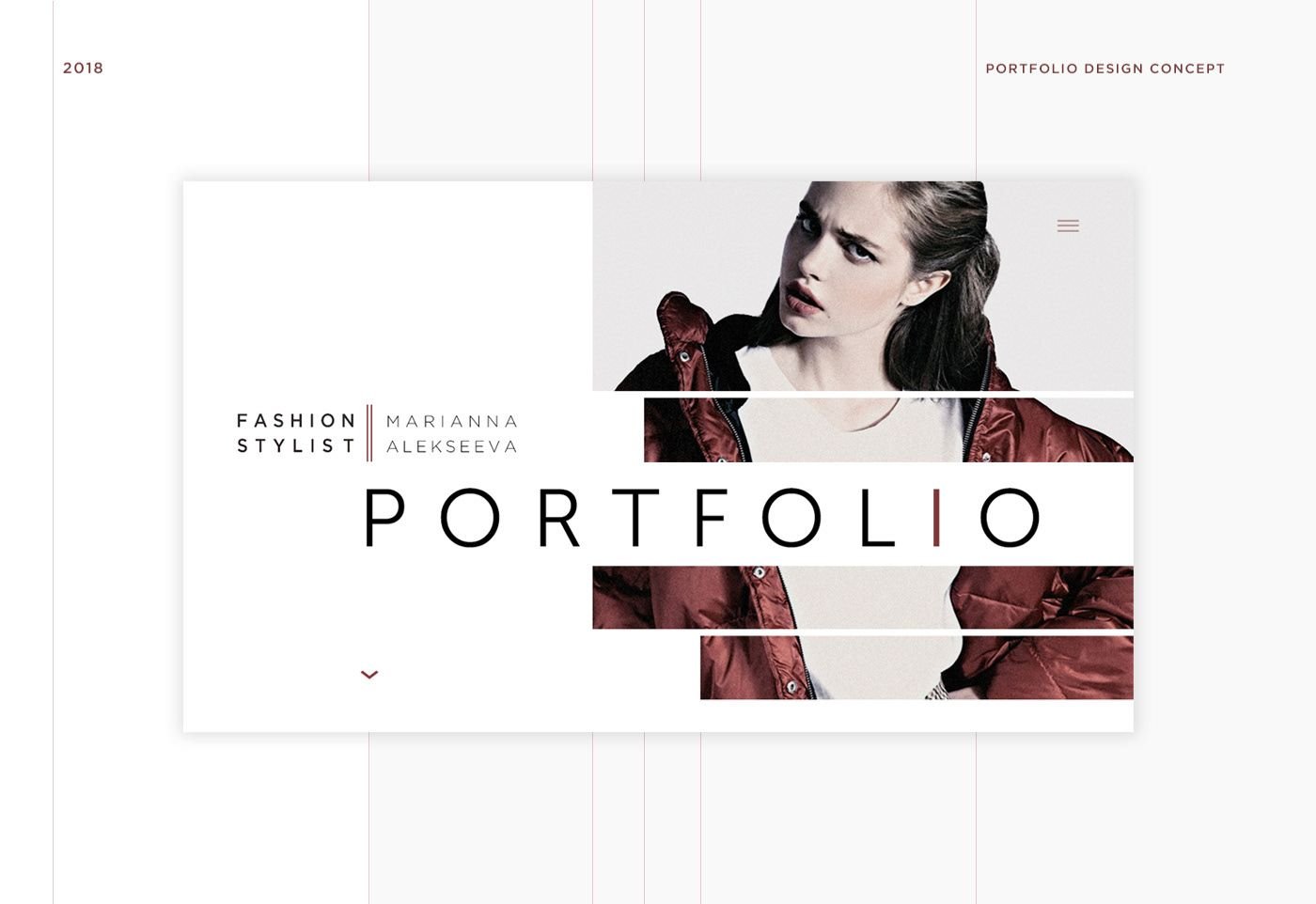
A fashionably stylish portfolio is more than just a collection of photographs; it is a powerful visual representation of creativity, professional expertise, and personal design identity. In today’s highly competitive fashion industry, a well-crafted portfolio serves as an essential tool for fashion stylists to showcase their unique styling techniques, artistic vision, and ability to transform concepts into compelling fashion stories.
Whether presented in print or digital format, an impressive portfolio highlights editorial projects, commercial campaigns, runway styling, celebrity collaborations, and personal creative work. It strengthens professional credibility, attracts clients and employers, and opens opportunities for long-term success in the dynamic fashion world.
Grasping the Role of a Fashion Portfolio
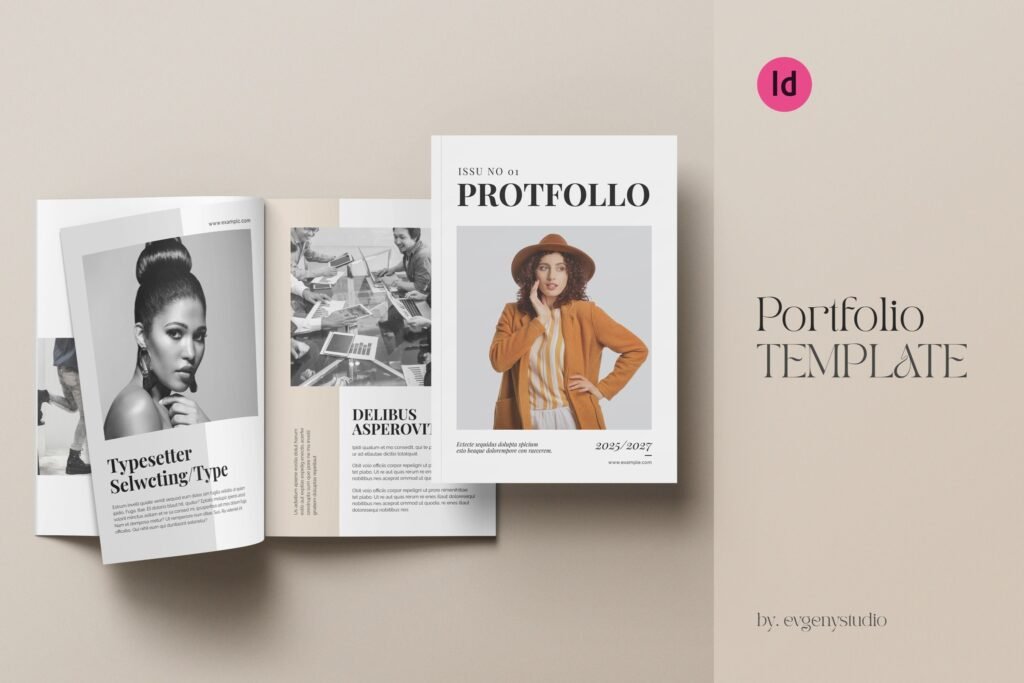
A fashionably stylish portfolio is much more than a collection of attractive photographs or completed projects. It is a professional presentation that reflects a stylist’s creativity, technical skills, design knowledge, and personal fashion perspective. In the fashion industry, where visual communication plays a vital role, a portfolio serves as a powerful first impression for potential clients, employers, brands, and collaborators. It demonstrates not only what a stylist has created but also how they approach different fashion concepts, trends, and styling challenges.
A well-developed fashion portfolio showcases versatility by including a variety of work, such as editorial shoots, commercial campaigns, runway styling, lookbooks, and personal creative projects. Each project tells a story, highlighting the stylist’s ability to select garments, coordinate accessories, understand color combinations, and create cohesive looks that match a specific theme or audience. This diversity helps establish credibility and proves the stylist can adapt to different fashion markets and client expectations.
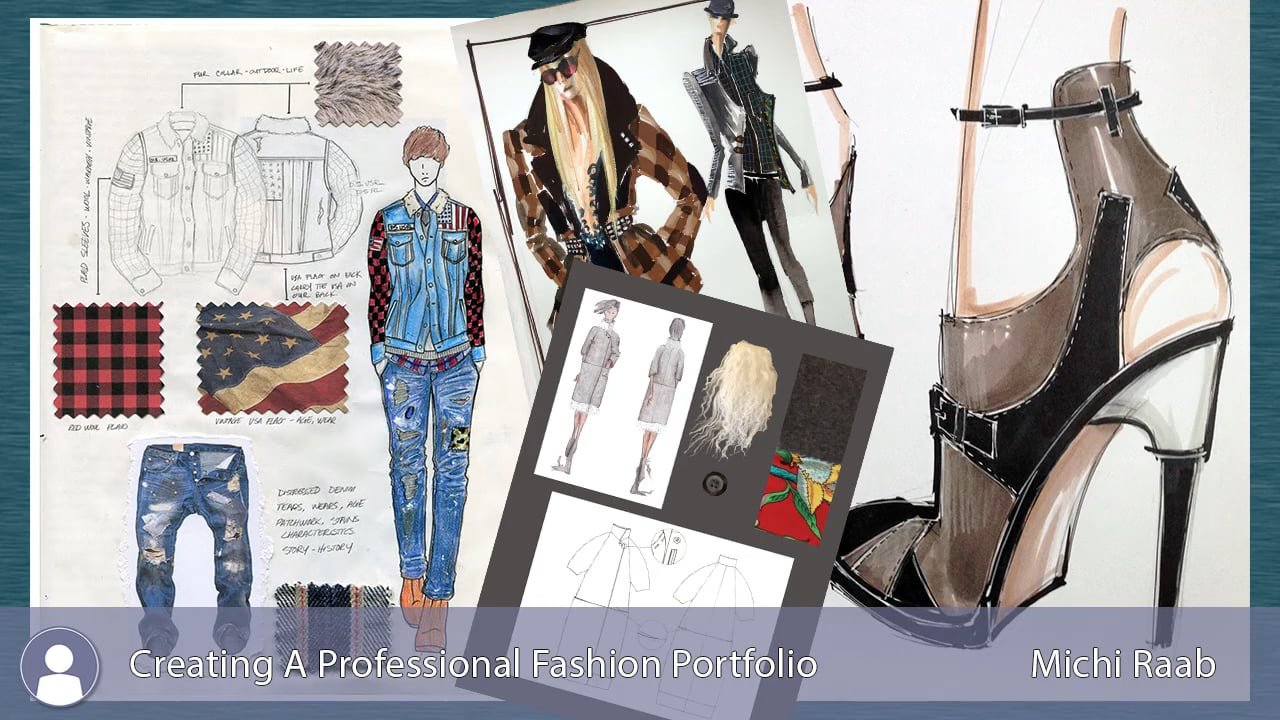
Beyond displaying completed work, a fashion portfolio also reflects professionalism and continuous growth. It communicates attention to detail, organization, and a commitment to quality while allowing viewers to understand the stylist’s unique creative identity. As fashion trends evolve, regularly updating a portfolio with recent projects and innovative ideas demonstrates adaptability and a willingness to stay current within the industry.
Building a Fashionable Stylish Portfolio
Building a fashionably stylish portfolio requires careful planning, creativity, and a clear understanding of personal style. A portfolio is not simply a collection of photographs; it is a professional document that communicates a stylist’s talent, fashion knowledge, and ability to create visually appealing looks. It should reflect a unique creative identity while demonstrating the versatility to work across different fashion styles, occasions, and target audiences.
The first step in creating an effective portfolio is selecting high-quality work that best represents your skills and experience. Include a variety of projects such as editorial photo shoots, commercial campaigns, runway styling, personal fashion concepts, and collaborative work with photographers, makeup artists, and designers. Each project should have a clear purpose and showcase your ability to coordinate clothing, accessories, colors, and textures to achieve a specific fashion vision.
A successful fashion portfolio should also be regularly updated with recent work to reflect current trends, improved techniques, and new achievements. Removing outdated projects and replacing them with stronger examples helps maintain a professional image. Whether presented as a printed book, a digital PDF, or an online portfolio website, consistency in design, typography, and image quality enhances its overall impact.
Ultimately, building a fashion stylish portfolio is an ongoing process of learning, refining, and showcasing your best work. A thoughtfully designed portfolio highlights both artistic creativity and professional competence, making it an essential tool for attracting clients, securing employment opportunities, and establishing a successful career in the ever-evolving fashion industry.
The Importance of Presentation in Fashion
Presentation is essential in fashion stylish portfolio because it influences how designs, outfits, and personal style are perceived. Effective presentation highlights creativity, professionalism, and attention to detail while creating a strong visual impact. Through appealing styling, quality photography, and organized displays, fashion professionals can communicate their vision, attract opportunities, and leave a lasting impression.
Distinct Personal Branding
Distinct personal branding is the process of creating a unique and recognizable professional identity that reflects an individual’s style, values, and creative vision. In the fashion industry, a strong personal brand helps stylists stand out from competitors, build credibility, attract clients, and establish lasting professional relationships. A consistent brand image across portfolios, social media, and professional work enhances visibility and supports long-term career growth.
High-Quality Visual Materials

High-quality visual materials are essential for creating a professional and impactful fashion portfolio. Clear, well-lit, and high-resolution images showcase styling skills, creativity, and attention to detail. Professional photography, consistent editing, and appealing layouts enhance the overall presentation, helping viewers appreciate the quality of the work. Strong visual materials also build credibility, attract potential clients or employers, and leave a memorable impression in the competitive fashion industry.
Creating a Narrative Flow
Creating a narrative flow in a fashion portfolio helps present projects in a logical and engaging sequence that captures the viewer’s attention. Each section should connect smoothly, telling the story behind the creative process, inspiration, and final outcome. A clear narrative demonstrates the stylist’s vision, problem-solving abilities, and artistic development while making the portfolio more memorable, professional, and impactful for clients, employers, and industry professionals.
Preparing Your Portfolio Before Layout Design
Before designing the layout of a fashionably stylish portfolio, it is important to organize all content carefully. Select your strongest projects, high-quality photographs, mood boards, sketches, and supporting materials that best represent your skills and creativity. Arrange the content in a logical order, ensuring each project tells a clear story. Review image quality, edit unnecessary elements, and prepare concise project descriptions. Proper planning before layout design creates a well-structured, visually appealing, and professional portfolio that effectively communicates your creative vision and expertise.
Investigate Industry Norms
Researching trends is a crucial component of creating a successful, stylish fashion portfolio. Being knowledgeable of current industry trends, professional standards, and employer expectations enables your portfolio to align with industry needs. Find out how well-known fashion stylists, designers, and creatives present their portfolios, how they organize the information, and how they work with visuals. Learn what features are effective in portfolios of established fashion stylists, designers, and creatives in terms of presentation, content organization, and/or visuals.
Take care to look for the quality of images, narrative, branding, and consistency in layout. Knowing what is expected in the industry helps you to present your work professionally, show off your relevant skills, and build a portfolio to impress clients, fashion houses, and employers.
Digital Vs. Physical Portfolio
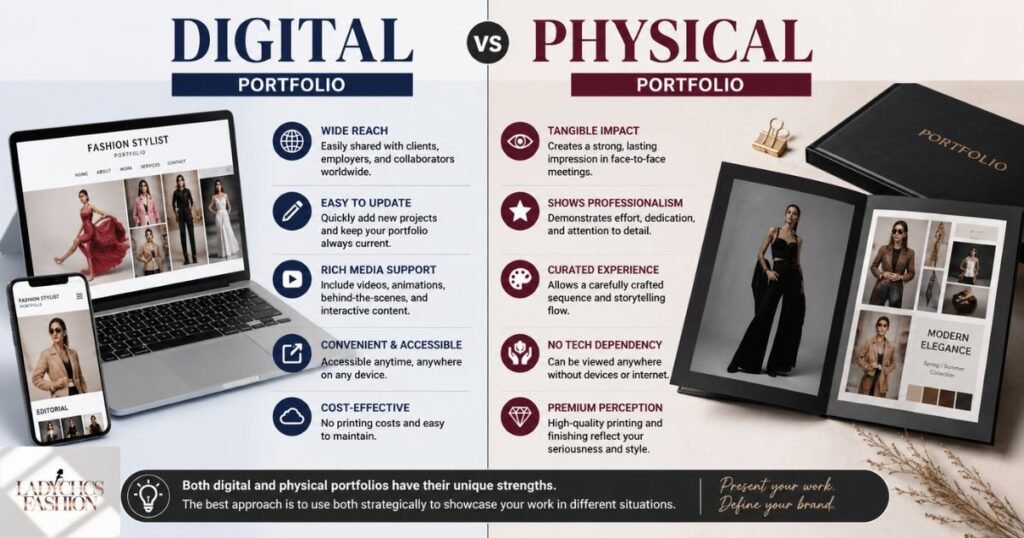
Each format has distinct functions.
Benefits of a Digital Portfolio
A digital portfolio is an updated and efficient tool for fashion professionals to present their creativity, skills, and accomplishments. It enables easy access for clients, employers, and collaborators, enabling them to access projects anytime and anywhere. A digital portfolio can contain high-quality images, videos, animations, interactive components, and more that make it more interactive than traditional printed portfolios. It’s also simple to update with new projects so that your work is always up-to-date and on trend. Moreover, having an online fashion portfolio on a website, via email, or on social media gives you more visibility, more ways to connect to professionals, and improves your chances of landing jobs, freelance work, and/or collaboration opportunities in the fashion industry.
Benefits of a Printed Portfolio
Memorable impact during presentations
High-quality tactile experience
Focused visuals without distractions
Many professionals choose to maintain both formats for versatility.
Visual Design Guidelines for Fashion Portfolios
Design decisions affect the perception of your work.
Minimalistic Design Elevates Style
Excessive design elements can overshadow your visuals. Clean layouts enable fashion pieces to shine on their own.
Utilize:
A well-rounded, stylish fashion portfolio can greatly influence your career trajectory.
Blank space
Basic typography
Proportional alignment
Color Implications in Fashion Presentation
Colors convey emotions subconsciously.
Neutral shades imply sophistication.
Vibrant colors express creativity.
Monochromatic schemes convey elegance.
Select colors that resonate with your personal brand.
Choosing Typography
Typography plays a significant role in the overall appearance of a fashion portfolio. Selecting clean, elegant, and readable fonts enhances professionalism and supports the visual identity of the portfolio. Consistent typography improves readability, creates a balanced layout, and ensures that the content complements the images without distracting from the showcased fashion work.
Photography and Styling Techniques
The Role of Creativity and Uniqueness Photography and styling are important elements to the construction of a successful fashion portfolio. Creativity, balance, and attention to detail are reflected through effective styling, and the details, colors, textures, and overall appeal are captured through quality photography. Every image is captured with proper lighting, composition, camera angles, and background selection, making it more impactful. There is careful coordination of clothes, accessory items, hairstyles, and make-up to ensure that every outfit supports the theme and tells a story. When combined with good photography, a skillful and creative styling approach produces professional, appealing photographs that reveal a stylist’s artistry, talent, and expertise.
Conclusion:
Photography and styling are important elements to the construction of a successful fashion portfolio. Creativity, balance, and attention to detail are reflected through effective styling, and the details, colors, textures, and overall appeal are captured through quality photography. Every image is captured with proper lighting, composition, camera angles, and background selection, making it more impactful. There is careful coordination of clothes, accessory items, hairstyles, and make-up to ensure that every outfit supports the theme and tells a story. When combined with good photography, a skillful and creative styling approach produces professional, appealing photographs that reveal a stylist’s artistry, talent, and expertise.
What is a fashion stylish portfolio?
A fashion-stylish portfolio is a professional collection of work that showcases a stylist’s creativity, styling skills, fashion knowledge, and completed projects. It helps demonstrate expertise to clients, employers, and fashion brands.
Why is a fashion portfolio important?
A fashion portfolio is important because it creates a strong first impression, highlights professional abilities, builds credibility, and increases opportunities for employment, freelance work, and industry collaborations.